

Key Takeaways
Community college
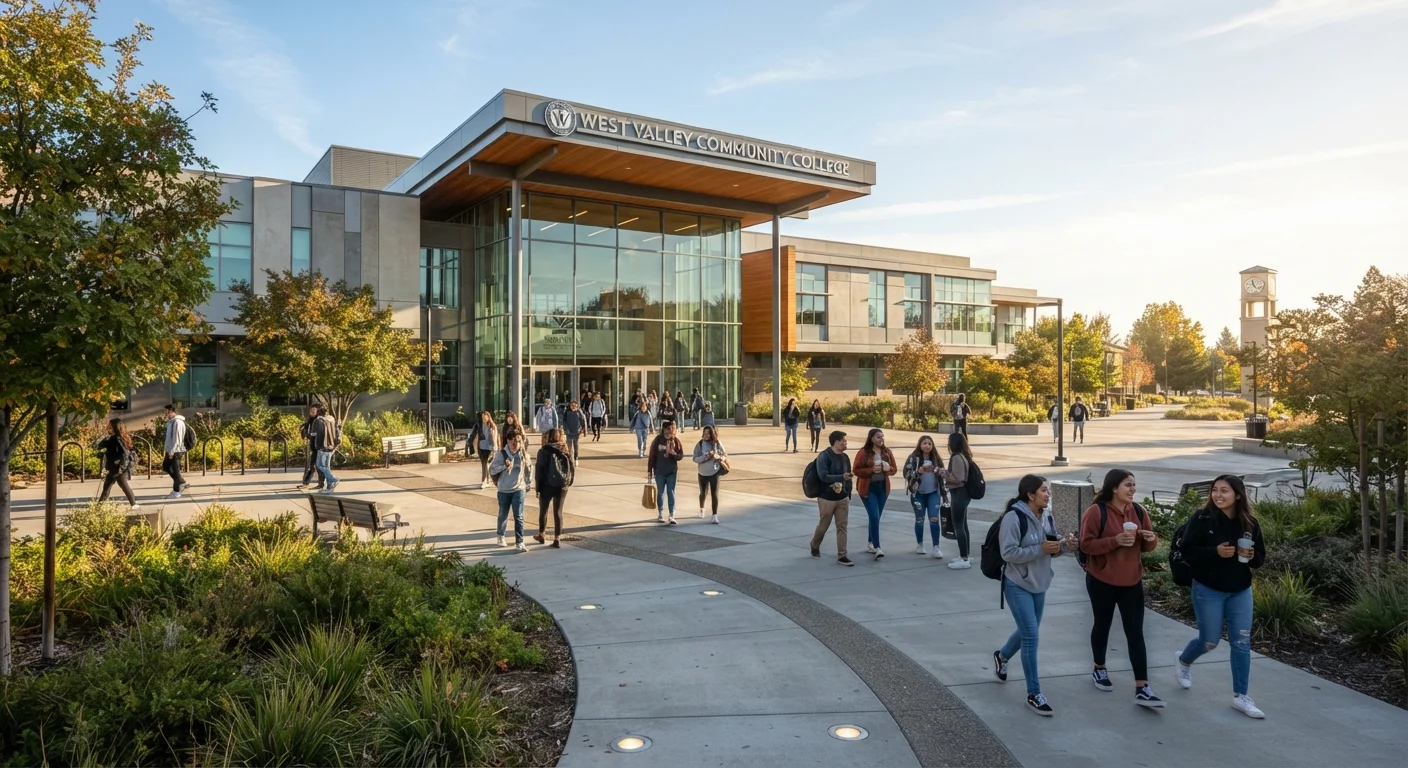
A community college is a publicly funded, two-year institution that awards associate degrees and certificates. Tuition is typically much lower than at four-year universities, and most community colleges accept any applicant with a high school diploma or equivalent. Students can complete an associate degree, earn career-focused credentials, or transfer credits toward a bachelor's degree at a four-year school.
Community colleges are accredited institutions, meaning their credits are recognized by regional accrediting bodies. However, credit transferability to specific four-year universities depends on individual articulation agreements, which vary by state and institution.
What community college actually costs
The average published tuition at a public two-year college runs well under $4,000 per year for in-district students, compared to roughly $10,000 or more per year at public four-year universities, according to data published by the College Board. That gap compounds over time: a student who completes their first two years at a community college before transferring can avoid tens of thousands of dollars in tuition costs.
Room and board are often a separate story. Many community college students live at home and commute, which removes one of the largest cost categories from the equation entirely. For families already stretched thin, that arrangement alone can make the difference between an education that is manageable and one that requires significant debt.
Financial aid applies here too. Students who complete the Free Application for Federal Student Aid (FAFSA) may qualify for Pell Grants, which do not need to be repaid and can cover a large share of community college tuition. State grant programs in many states add further assistance on top of federal aid.
$3,990
Average in-district community college tuition per year
According to College Board's Trends in College Pricing report, published in 2023, average tuition and fees at public two-year colleges for in-district students.
42%
Share of undergraduates attending two-year institutions
The American Association of Community Colleges reported that approximately 42% of U.S. undergraduates were enrolled at community colleges.
$7,400
Maximum federal Pell Grant award (2024-25 award year)
The U.S. Department of Education sets the maximum Pell Grant amount annually; eligible community college students can apply this award toward tuition and fees.
How transfer pathways work
A transfer pathway is a formal agreement between a community college and a four-year university that guarantees how credits will apply toward a bachelor's degree. These agreements, called articulation agreements, spell out which courses count, which general education requirements are satisfied, and what GPA a student needs to transfer.
Many states have gone further with guaranteed transfer programs. California's Associate Degree for Transfer, for example, guarantees admission to the California State University system for students who complete it. Similar programs exist in Florida, Texas, Virginia, and other states. Families should contact the specific four-year school their student wants to attend and ask for the articulation agreement in writing before choosing courses at the community college.
Without checking first, a student may complete coursework that does not transfer cleanly, adding time and cost to their overall path. The low-cost path from high school to a four-year degree article covers how to combine transfer planning with other cost-cutting strategies at each stage.
Dual enrollment for high school students
Dual enrollment lets high school students take community college courses that count toward both their high school graduation requirements and future college credits. Depending on the state and school district, the cost to families can be minimal or zero. Some states pay for dual enrollment directly; others require families to cover a reduced tuition rate or textbook costs.
The practical benefit is significant. A student who earns 15 to 18 college credits during high school can enter a four-year program with a semester or more already completed. That reduces the time and money needed to finish a bachelor's degree.
Verify transfer credit before you register
Contact the four-year institution your student plans to attend and ask specifically which dual enrollment or community college courses will count toward their intended major. Get the answer in writing, ideally from an academic advisor. Transfer policies can change, so it is worth confirming again when the student applies.
Not all dual enrollment credits transfer the same way as credits earned after high school. Families should verify transferability with the target institution before relying on those credits as part of a transfer plan.
Certificate programs and career-focused options
Not every student at a community college is on a transfer track. Certificate programs in fields such as healthcare, skilled trades, information technology, and early childhood education can lead directly to employment, sometimes after less than a year of study.
These programs are often eligible for financial aid, though eligibility rules can vary. A certificate that qualifies for Title IV federal aid must meet minimum credit hour and program length thresholds set by the Department of Education. Students should confirm aid eligibility with the college's financial aid office before enrolling.
For families weighing community college against self-directed online learning, it is worth noting the difference in credentials. Community college programs produce accredited credentials recognized by employers and other institutions. Free and low-cost online learning platforms can build skills at lower cost but rarely produce the same type of transferable credential.
Questions families should ask before enrolling
Before a student commits to a community college program, a few direct questions can prevent costly surprises. Ask the financial aid office for a net price estimate, which accounts for grants and aid, not just the published tuition rate. Ask the transfer advising office for the specific articulation agreement with the intended four-year school.
It is also worth asking about completion support services. Community colleges with dedicated advising, tutoring, and transfer counseling tend to produce better outcomes for students. These resources are often free to enrolled students.
Families thinking about the full cost of a degree can find a broader framework in the education savings starting guide, which covers how to plan for costs at each stage of a student's education path.
This article is for general informational purposes only and does not constitute financial, legal, or academic advising. Tuition figures and program details change frequently. Consult your chosen institution's official resources and a qualified financial aid counselor for guidance specific to your situation.